
Theory Research

Cracking Computational Challenges
Theory Research at Rochester
At the University of Rochester, theoretical computer science research combines rigorous mathematical foundations with interdisciplinary applications. The theory group explores a broad range of topics—from complexity of elections and database query models to graph algorithms and cryptography—within a small, close-knit faculty–student environment.
THEORY ACROSS THE UNIVERSITY
Computation, Combinatorics & Choice
Rochester’s broader theory community reaches across disciplines. The CCC group connects researchers working on algorithms and complexity, discrete mathematics, optimization, game theory, social choice, and collective decision-making.
Theoretical Computer Science Researchers
Meet the faculty at the forefront of theoretical computer science research.
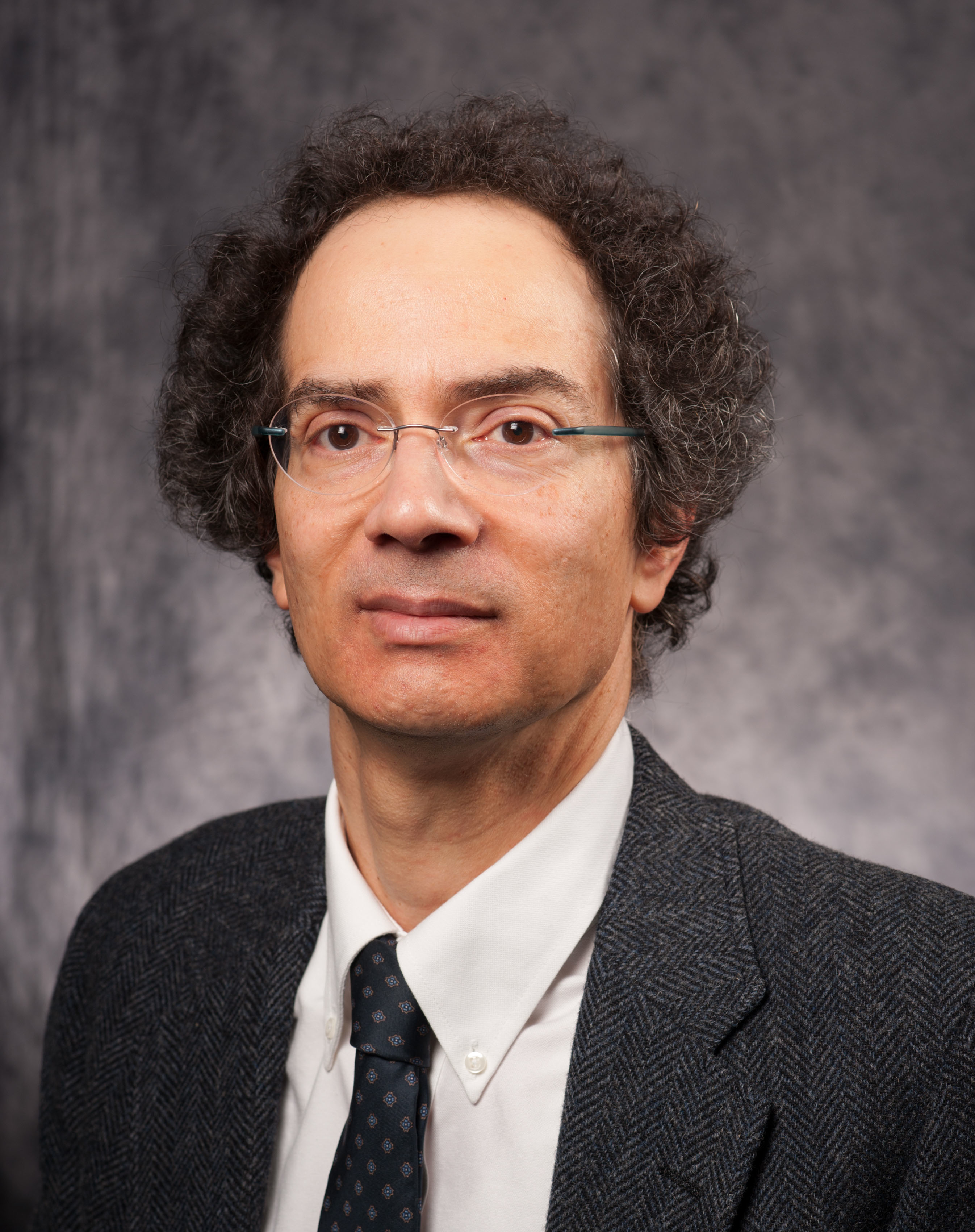
Hemaspaandra, Lane A.
Professor of Computer Science
- Office Location
- 2317 Wegmans Hall
- Web Address
- Website
Interests: Computational social choice (elections, preference aggregation, power indices, etc.); Computational complexity theory (counting-based computation, probabilistic computation, unambiguous computation, the importance of query order when accessing databases, the study of efficient algorithms for complex sets, complexity-theoretic aspects of security, fault-tolerance, and data compression, etc.)
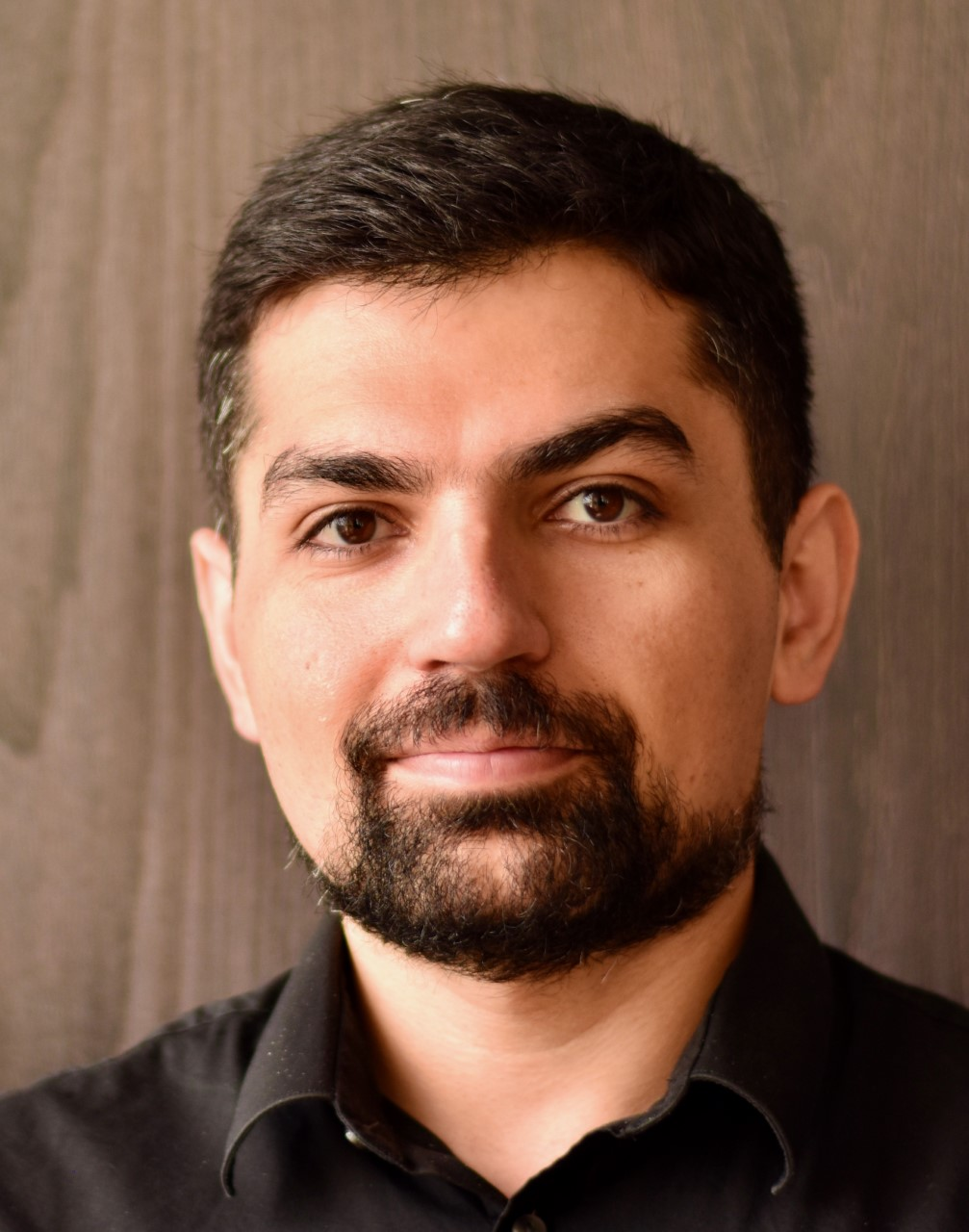
Hosseini, Kaave
Assistant Professor of Computer Science
- Office Location
- 2507 Wegmans Hall
- Web Address
- Website
Interests: Theoretical computer science; Additive combinatorics; Pseudorandomness; Discrete Fourier analysis
Kahng, Anson
Assistant Professor of Computer Science and Data Science
- Office Location
- 2401 Wegmans Hall
- Web Address
- Website
Interests: Computational social choice; Democracy and computer science; Economics and computation; Artificial intelligence; Theoretical computer science; Algorithmic game theory
Liang, Jiaming
Assistant Professor of Computer Science and Data Science
- Office Location
- 2403 Wegmans Hall
- Web Address
- Website
Interests: Mathematical and numerical optimization; Sampling algorithms; Stochastic programming; Algorithmic game theory

Polak, Monika
Associate Professor of Computer Science (Instruction)
- Office Location
- 2201 Wegmans Hall
- Web Address
- Website
Interests: Cryptography; Quantum-Resistant Cryptography; Algebraic Graph Theory; Extremal Graph Theory; Pseudorandomness; Coding Theory
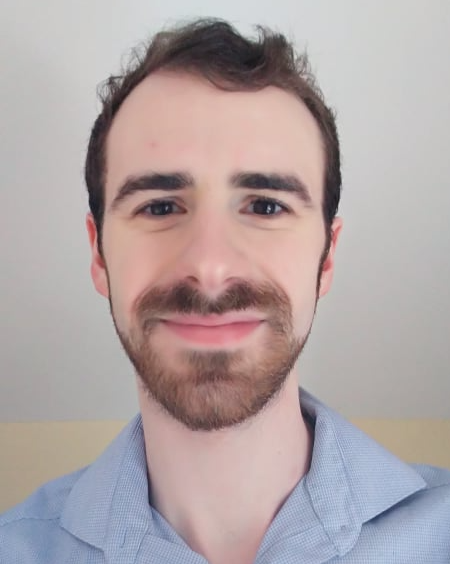
Read-McFarland, Andrew
Assistant Professor of Computer Science (Instruction)
- Office Location
- 2105 Wegmans Hall
- Web Address
- Website
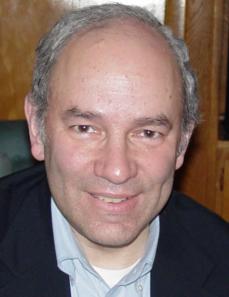
Seiferas, Joel I.
Professor Emeritus of Computer Science
- Web Address
- Website
Interests: Theoretical computer science; Computational complexity; Algorithms; Automata
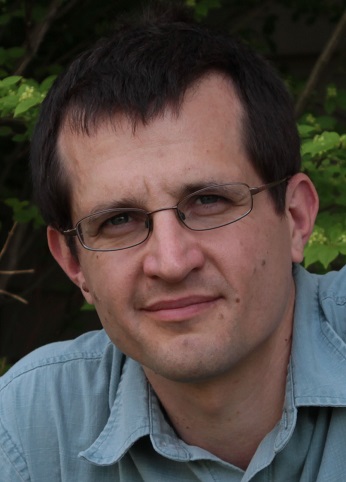
Stefankovic, Daniel
Professor of Computer Science
- Office Location
- 2315 Wegmans Hall
- Web Address
- Website
Interests: Theoretical computer science: graph theory, combinatorics, Fourier transform, Markov chains/counting, learning theory, phylogeny, game theory, graph equations, routing
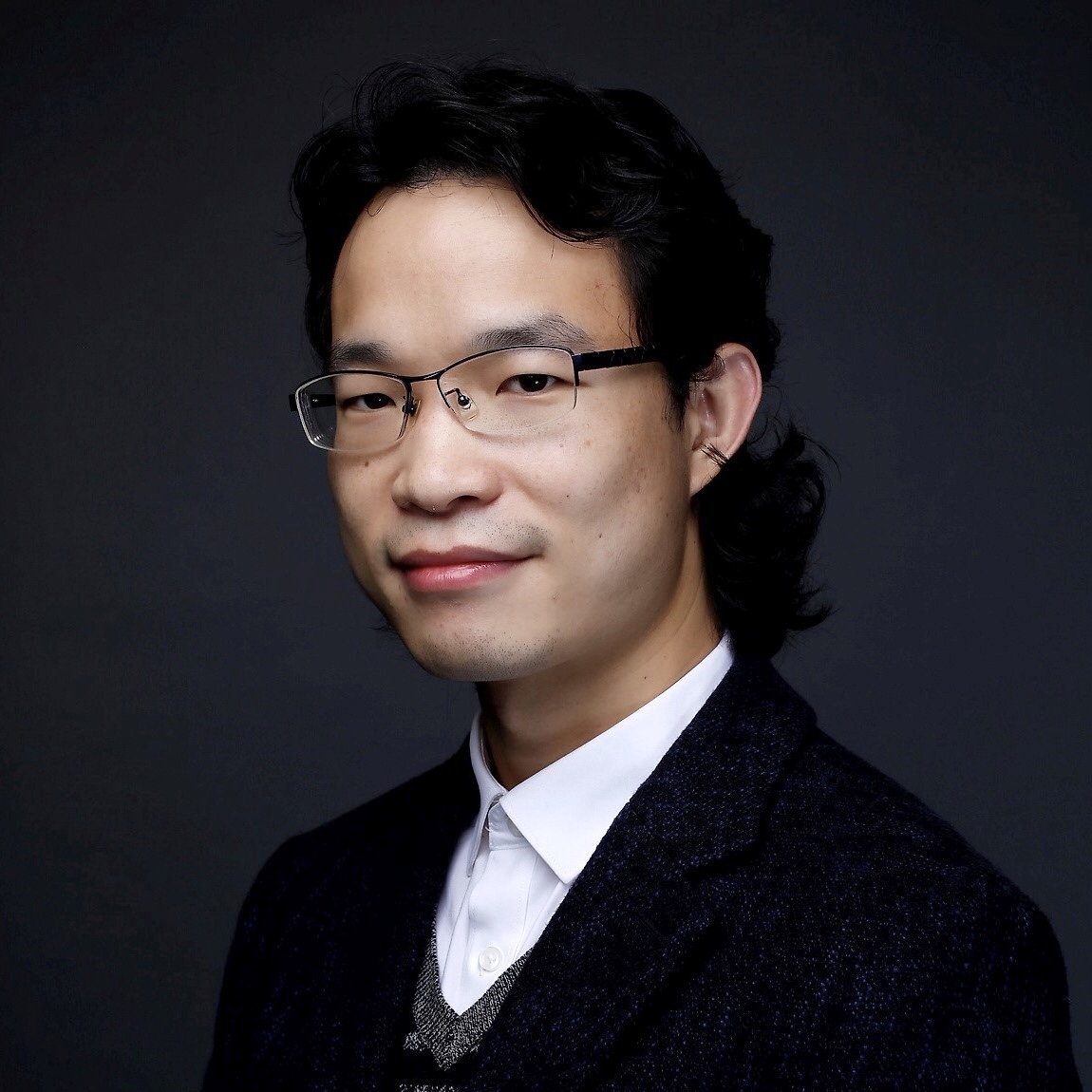
Xu, Xiangxiang
Assistant Professor of Computer Science
- Office Location
- 3003 Wegmans Hall
- Web Address
- Website
Interests: Information Theory; Information Processing; Machine Learning Theory; Representation Learning

Zhupa, Eustrat
Associate Professor of Computer Science (Instruction)
- Office Location
- 2107 Wegmans Hall
- Telephone
- (585) 275-9499
- Web Address
- Website