
Artificial Intelligence Research
What is Artificial Intelligence?
Artificial Intelligence (AI) is the field of computer science dedicated to studying and developing intelligent systems, machines, and software that perform tasks requiring human-like intelligence. These tasks include:
- Learning from data
- Recognizing patterns
- Understanding language
- Making decisions
- Solving complex problems
AI powers technologies such as speech recognition, computer vision, natural language processing, robotics, and smart decision-making systems, transforming sectors like healthcare, finance, cybersecurity, and more.
Areas of Focus
Our AI researchers lead pioneering projects to:
- Develop advanced machine learning models that enable computers to learn and improve without explicit programming
- Create natural language processing tools that understand, interpret, and generate human language
- Design computer vision algorithms that allow machines to analyze and interpret visual data
- Advance robotics by applying AI methods for perception, planning, and autonomous control
- Build reasoning and decision-making frameworks to help AI systems make intelligent choices in complex environments
- Explore reinforcement learning techniques to train agents through trial and error
- Investigate AI fairness, transparency, and accountability to promote ethical and responsible AI development
- Apply AI solutions in healthcare, cybersecurity, finance, and other real-world applications
- Develop scalable AI architectures capable of processing large datasets efficiently
- Improve human-AI interaction for more natural and intuitive intelligent systems
Accomplishments, Awards, and Accolades in AI
International/National Leadership
Henry Kautz: AAAI President (2009-2014), NSF CISE IIS Program Director (2018-2022)
AAAI, ACM, ACL and National Academy Fellowship
James Allen: founding fellow of AAAI, ACL Fellow (2023)
Henry Kautz: AAAI Fellow (1997), ACM Fellow (2014)
Henry E. Kyburg Jr. (1928–2007, elected AAAI Fellow in 2002)
Jiebo Luo: AAAI Fellow (2018), ACM Fellow (2018), NAI Fellow (2023), Academia Europaea (2023)
Lenhart Schubert: AAAI Fellow (1993)
AAAI and ACM Distinguished Scientist
Ehsan Hoque: ACM Distinguished Scientist (2022), AAAI Senior Member (2022)
Christopher Kanan: AAAI Senior Member (2024)
General/Program Chair of Top AI Conferences
Lenhart Schubert: ACL (1993)
Jiebo Luo: CVPR (2012), ACM Multimedia (2010/2018)
Editor-in-Chief of Top AI Journals
James Allen: Computational Linguistics (1983-1993)
Jiebo Luo: IEEE Transactions on Multimedia (2020-2022)
Major AAAI/ACM/IEEE Awards
Henry Kautz: 2018 ACM-AAAI Allen Newell Award, 2020 AAAI Distinguished Service Award, 2020 AAAI Robert S. Engelmore Memorial Lecture Award
Jiebo Luo: 2021 ACM SIGMM Technical Achievement Award
Best Paper Awards at Top AI Conferences and Journals
James Allen: 2007 AAAI Best Paper
Dana Ballard: 1989 IJCAI Best Paper, 2003 Marr Prize for Best Student Paper (senior author), 2013 ICCV Test of Time Award
Henry Kautz: 1996 &2004 AAAI Best Paper, 2012 WSDM Best Paper, 2024 ICTAST Test of Time Paper
Jiebo Luo: 2010 IEEE CVPR Best Student Paper (senior author), 2014 IEEE Multimedia Prize Paper, 2021 NAACL Best Long Paper
Ehsan Hoque: 2023 ACM Ubicomp 10-year Impact Award
Books (non-edited)
Ballard, D.H. An Introduction to Natural Computation. Cambridge, MA: MIT Press (A Bradford Book), 1997.
Ballard, D.H. and C.M. Brown. Computer Vision. Prentice-Hall, 1982. (Translated into Japanese, 1987.) Also see: https://homepages.inf.ed.ac.uk/rbf/BOOKS/BANDB/bandb.htm The first book of in the field.
Ballard, D.H. Hierarchic Recognition of Tumors in Chest Radiographs. Birkhauser-Verlag, 1976.
Allen, J.F. Natural Language Understanding, Benjamin Cummings, 1987, Second Edition, 1994.
Liao, H., K.S. Zhou and J. Luo. Deep Neural Network for Medical Image Computing: Principles and Applications. Elsevier, 2022.
Major University Awards & Recognition
Jiebo Luo: Albert Arendt Hopeman Professor of Engineering (2022-), 2024 Edmund A. Hajim Outstanding Faculty Award, 2024 William H. Riker University Award for Excellence in Graduate Teaching, 2024 Debra Haring Excellence in Research Award
Chenliang Xu: James P. Wilmot Distinguished Professorship (2021-)
Notable Alumni in AI
Amanda Stent: ACL Fellow, founding director of the Davis Institute for AI at Colby College.
Diane Litman: ACL Fellow, past chair of the NAACL.
Andrew McCallum: 2011 ICML Test of Time award, AAAI Fellow, ACM Fellow, past president of the IMLS.
Yiannis Aloimonos: past chair of CVPR; co-author of four books, including an AI textbook.
Corinna Cortes: ACM Fellow, long-time head of Google NYC

Leading AI Innovation
Artificial Intelligence Research at Rochester
At the University of Rochester, AI research combines deep theoretical knowledge with practical applications. Our interdisciplinary teams collaborate across computer science, engineering, and other fields to solve challenges in machine learning, natural language understanding, robotics, and beyond.
Artificial Intelligence Researchers
Meet the faculty at the forefront of artificial intelligence research.
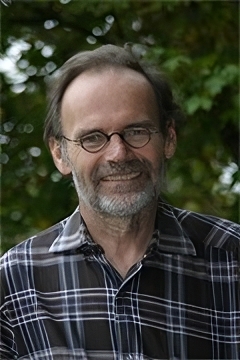
Allen, James F.
Professor Emeritus of Computer Science
- Web Address
- Website
Interests: Natural language understanding; Discourse; Knowledge representation; Common-sense reasoning; Planning

Bai, Zhen
Biggar Family Fellow in Data Science, Goergen Institute for Data Science and Artificial Intelligence
Assistant Professor of Computer Science
- Office Location
- 3007 Wegmans Hall
- Telephone
- (585) 275-7758
- Web Address
- Website
Interests: Human-Computer Interaction; Augmented Reality; Tangible User Interfaces; Embodied Conversational Agent; Technology-Enhanced Learning; Computer-Supported Collaborative Work; Assistive Technology; Machine Learning for HCI
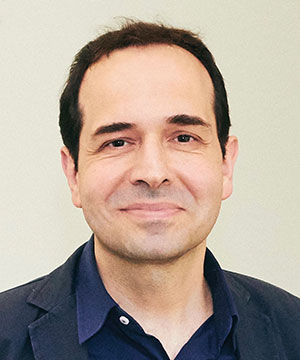
Cetin, Mujdat
Robin and Tim Wentworth Director, Goergen Institute for Data Science and Artificial Intelligence
Professor of Electrical and Computer Engineering
Professor of Computer Science
Director, New York State Center of Excellence in Data Science
- Office Location
- 1211 Wegmans Hall and 719 Computer Studies Building
- Telephone
- (585) 276-5061
Interests: computational sensing and imaging as applied to radar and biomedical imaging; probabilistic methods for image and video analysis as applied to biomedical image analysis, microscopic neuroimaging, and computer vision; signal processing and machine learning for brain-computer/machine interfaces, with applications for alternative communication and rehabilitation for patients and monitoring of cognitive states
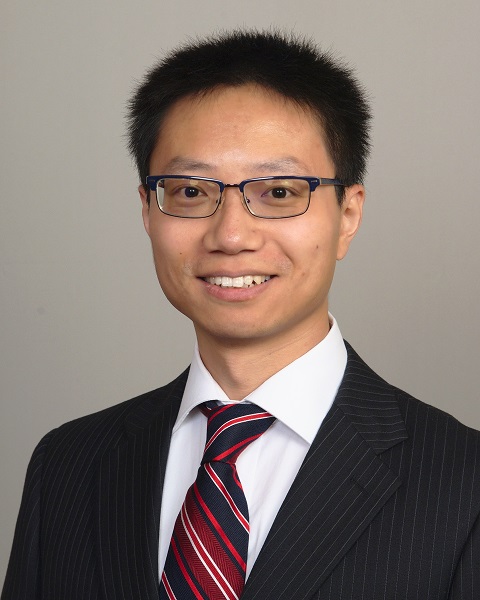
Duan, Zhiyao
Professor of Electrical and Computer Engineering
Professor of Computer Science
- Office Location
- 720 Computer Studies Building
- Telephone
- (585) 275-5302
- Web Address
- Website
Interests: Computer Audition; Audio Signal Processing; Machine Learning; Music Information Retrieval

Ferguson, George
Professor of Computer Science (Instruction) Co-Director Computer Science Undergraduate Program
- Office Location
- 2103 Wegmans Hall
- Web Address
- Website
Interests: Artificial intelligence; Intelligent agents; Agent communication languages; Agent architectures; User interfaces: speech recognition, natural language understanding, dialogue, conversational agents; Temporal reasoning: representation, planning, scheduling; Semantic web: ontologies, knowledge-based systems
Ghoshal, Gourab
Professor of Physics
Professor of Computer Science
- Office Location
- 464 Bausch & Lomb Hall
- Telephone
- (585) 276-7748
- Web Address
- Website
Interests: Noneqilibrium statistical mechanics, complex systems and network theory
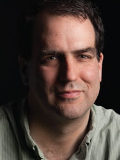
Gildea, Daniel
Professor of Computer Science
- Office Location
- 3019 Wegmans Hall
- Telephone
- (585) 275-7230
- Web Address
- Website
Interests: Machine translation; Semantic parsing; Algorithms for natural language processing
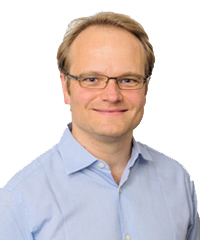
Haefner, Ralf
Associate Professor of Brain & Cognitive Sciences
Associate Professor of Physics
Associate Professor of Computer Science
- Office Location
- 318 Meliora Hall
- Web Address
- Website
Interests: Computational Neuroscience; Perceptual decision-making; Probabilistic inference; Selective attention; Neural population encoding and decoding; Depth perception/processing of binocular disparity
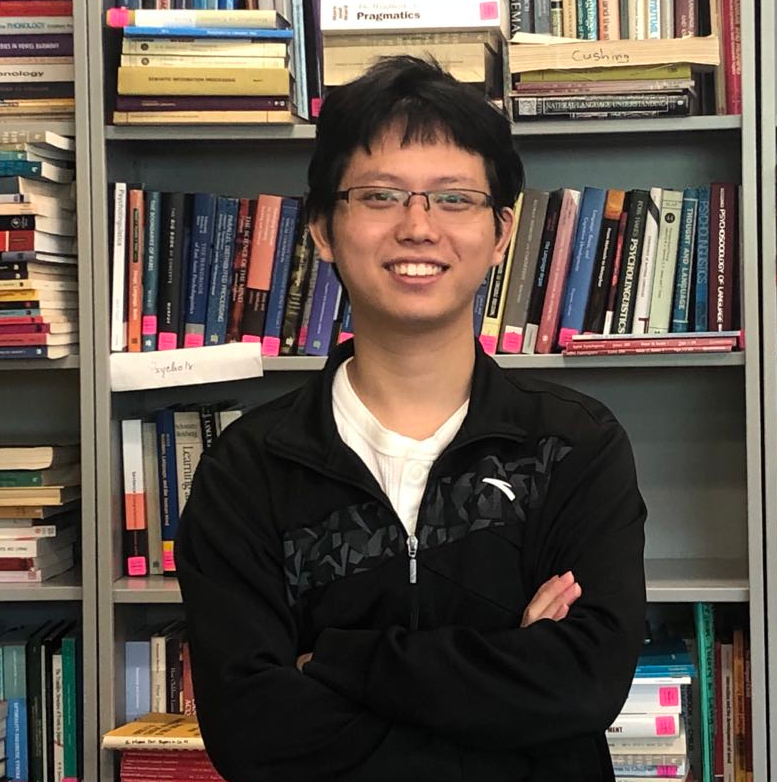
He, Hangfeng
Assistant Professor of Computer Science and Data Science
- Office Location
- 3009 Wegmans Hall
- Telephone
- (585) 275-8848
- Web Address
- Website
Interests: Machine learning; Natural language processing; Reasoning
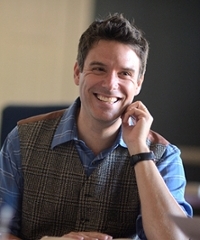
Heyworth, Gregory
Associate Professor of English
Associate Professor of Computer Science
Director, Lazarus Project, Rush Rhees Library, Rm 227
- Office Location
- 514 Morey Hall
- Telephone
- (585) 275-2548
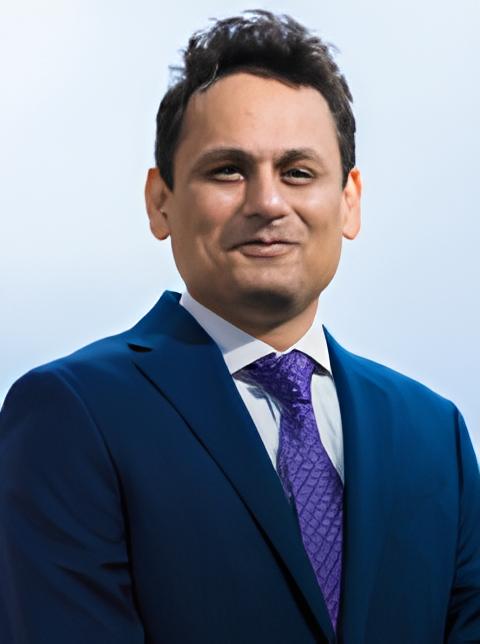
Hoque, Ehsan
Professor of Computer Science
- Office Location
- 3013 Wegmans Hall
- Telephone
- (585) 275-1351
- Web Address
- Website
Interests: Human Computer Interaction; Artificial Intelligence ; Interactive machine learning; Health and wellbeing; Future of skills
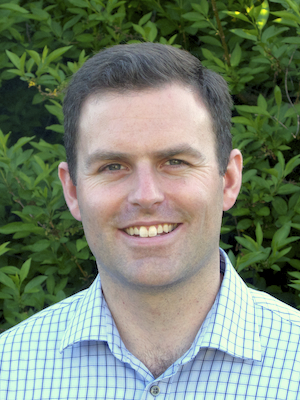
Howard, Thomas M.
Associate Professor of Electrical and Computer Engineering
Associate Professor of Computer Science
- Office Location
- 732 Computer Studies Building
- Telephone
- (585) 275--375
Interests: Artificial Intelligence; Robotics; Motion Planning; Human-Robot Interaction
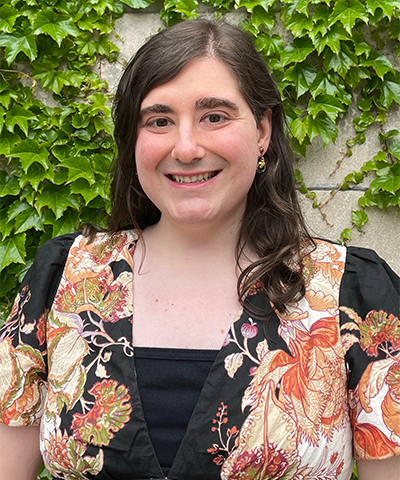
Iordan, Coraline Rinn
she/her/hers
Assistant Professor, Brain and Cognitive Sciences, Neuroscience
- Office Location
- 308 Meliora Hall
- cora@rochester.edu
- Web Address
- Website
Interests: visual and semantic cognition; learning; attention; neuroplasticity; real-time fMRI; neurofeedback; machine learning; neural networks; data science
Jacobs, Robert A.
Professor, Brain and Cognitive Sciences, Computer Science, and the Center for Visual Science
- Office Location
- 306 Meliora Hall
- Telephone
- (585) 275-0753
- Web Address
- Website
Interests: cognitive and perceptual learning; neural computation
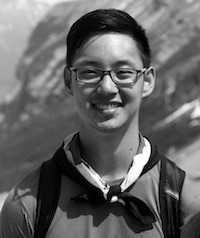
Kahng, Anson
Assistant Professor of Computer Science and Data Science
- Office Location
- 2401 Wegmans Hall
- Web Address
- Website
Interests: Human-Computer Interaction; Augmented Reality; Tangible User Interfaces; Embodied Conversational Agent; Technology-Enhanced Learning; Computer-Supported Collaborative Work; Assistive Technology
Interests: Computational social choice; Democracy and computer science; Economics and computation; Artificial intelligence; Theoretical computer science; Algorithmic game theory
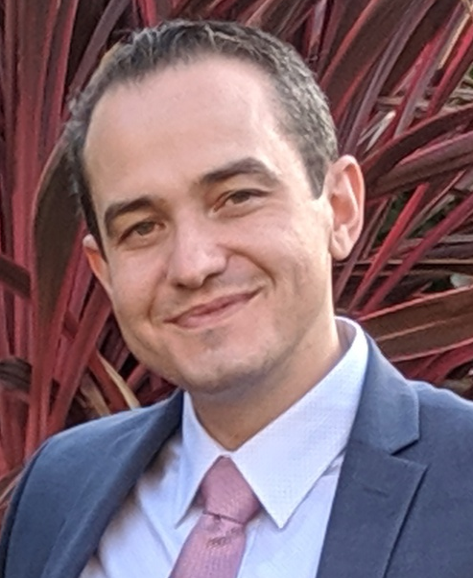
Kanan, Christopher
Associate Professor of Computer Science
Associate Director for AI Strategy, Goergen Institute for Data Science and Artificial Intelligence
- Office Location
- 3017 Wegmans Hall
- Web Address
- Website
Interests: Artificial Intelligence; Deep Learning; Computer Vision; Cognitive Science; Applied Machine Learning (e.g. Medical Computer Vision)
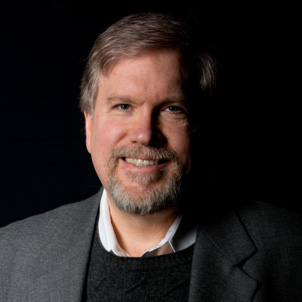
Kautz, Henry
Professor Emeritus of Computer Science
- Web Address
- Website
Interests: Artificial intelligence; Pervasive computing; Data science
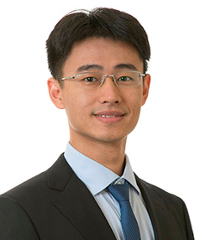
Liang, Jiaming
Assistant Professor of Computer Science and Data Science
- Office Location
- 2403 Wegmans Hall
- Web Address
- Website
Interests: Mathematical and numerical optimization; Sampling algorithms; Stochastic programming; Algorithmic game theory
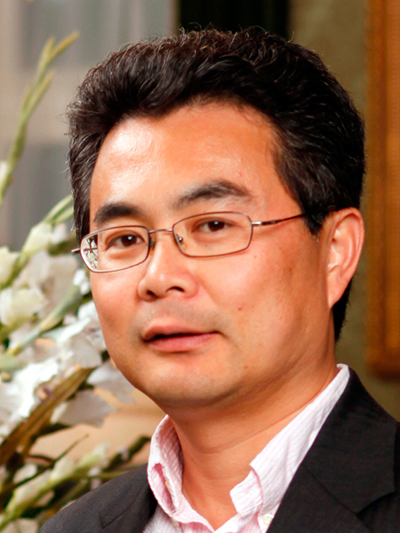
Luo, Jiebo
Albert Arendt Hopeman Professor of Engineering
Professor of Computer Science
- Office Location
- 3101 Wegmans Hall
- Telephone
- (585) 276-5784
- Web Address
- Website
Interests: Computer Vision; Machine learning; Data Mining; Social Media; Biomedical Informatics; Human Computer Interaction; Ubiquitous and Mobile Computing
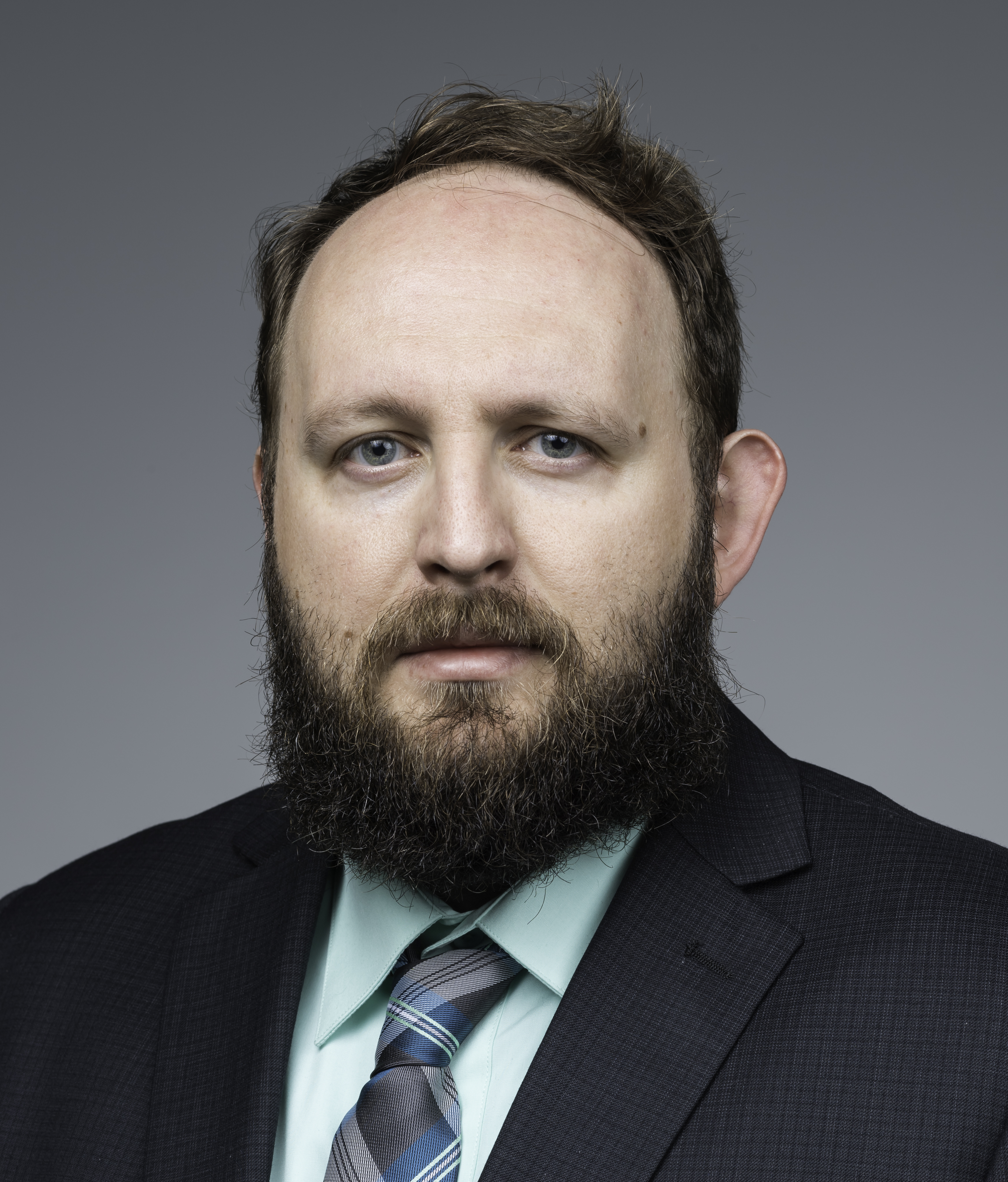
Purtee, Adam
Associate Professor of Computer Science (Instruction)
- Office Location
- 2109 Wegmans Hall
- Web Address
- Website
Interests: Natural language understanding ; Knowledge representation ; Commonsense reasoning ; Machine Learning ; Numerical programming
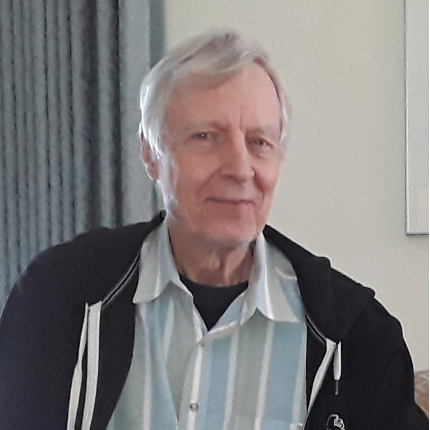
Schubert, Lenhart K.
Professor Emeritus of Computer Science
- Web Address
- Website
Interests: Language and dialogue ; Knowledge representation and inference; Schema learning and schema-based behavior ; Self-motivated agents
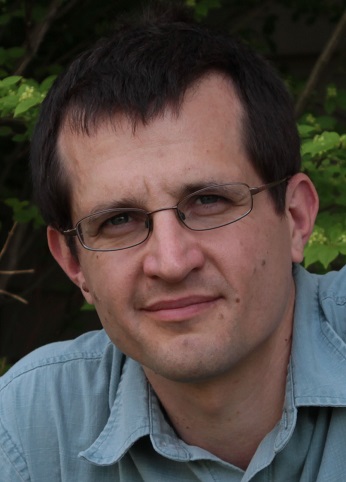
Stefankovic, Daniel
Professor of Computer Science
- Office Location
- 2315 Wegmans Hall
- Web Address
- Website
Interests: Theoretical computer science: graph theory, combinatorics, Fourier transform, Markov chains/counting, learning theory, phylogeny, game theory, graph equations, routing

White, Aaron
Associate Professor of Linguistics
Associate Professor of Computer Science
Director of FACTS.lab
- Office Location
- 511A Lattimore Hall
- Web Address
- Website
Interests: Computational Linguistics; Natural Language Semantics
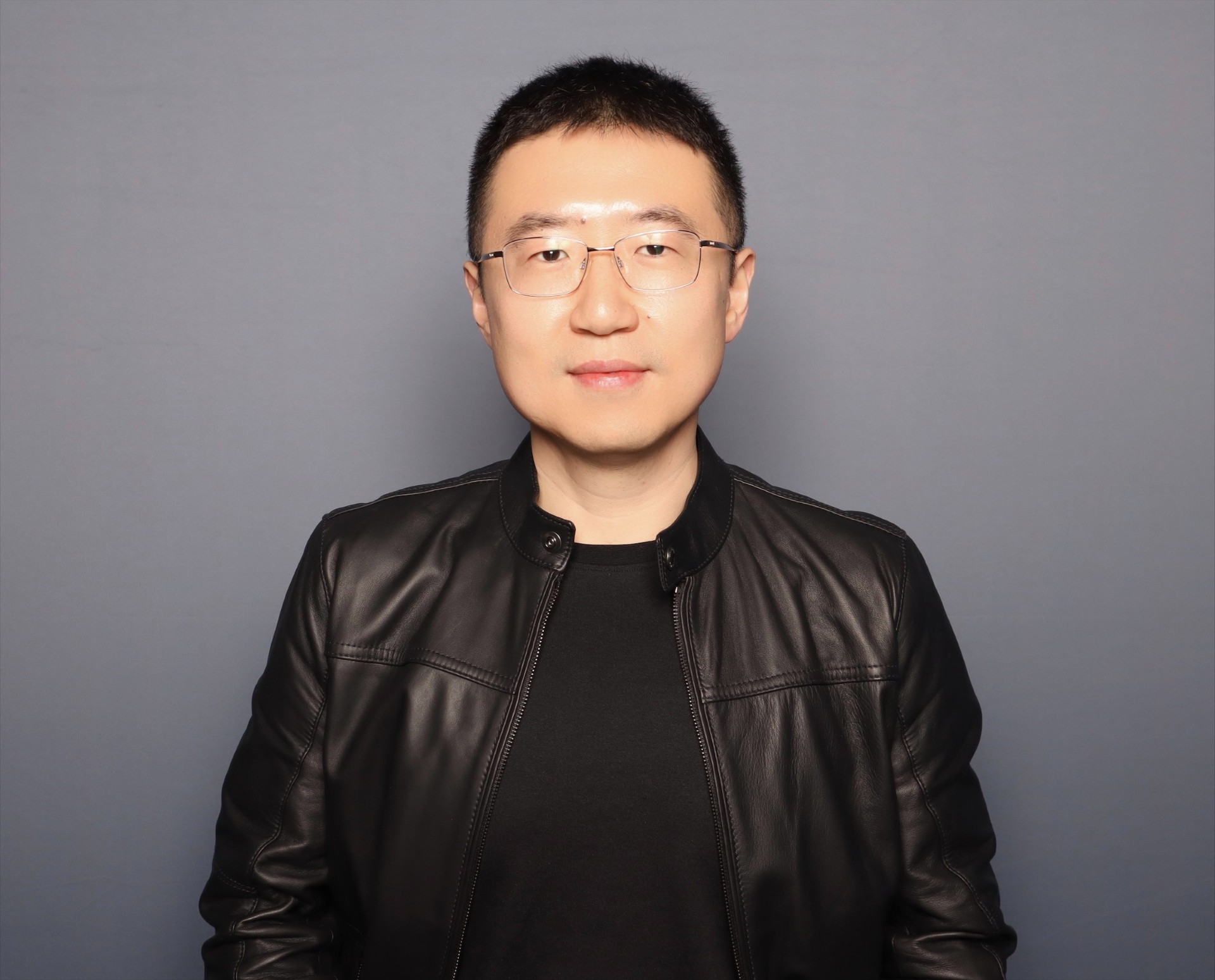
Xu, Chenliang
Associate Professor of Computer Science
- Office Location
- 3005 Wegmans Hall
- Web Address
- Website
Interests: Computer Vision; Multimodal AI; Video Understanding; Vision-Language and Audio-Visual Learning; Trustworthy AI
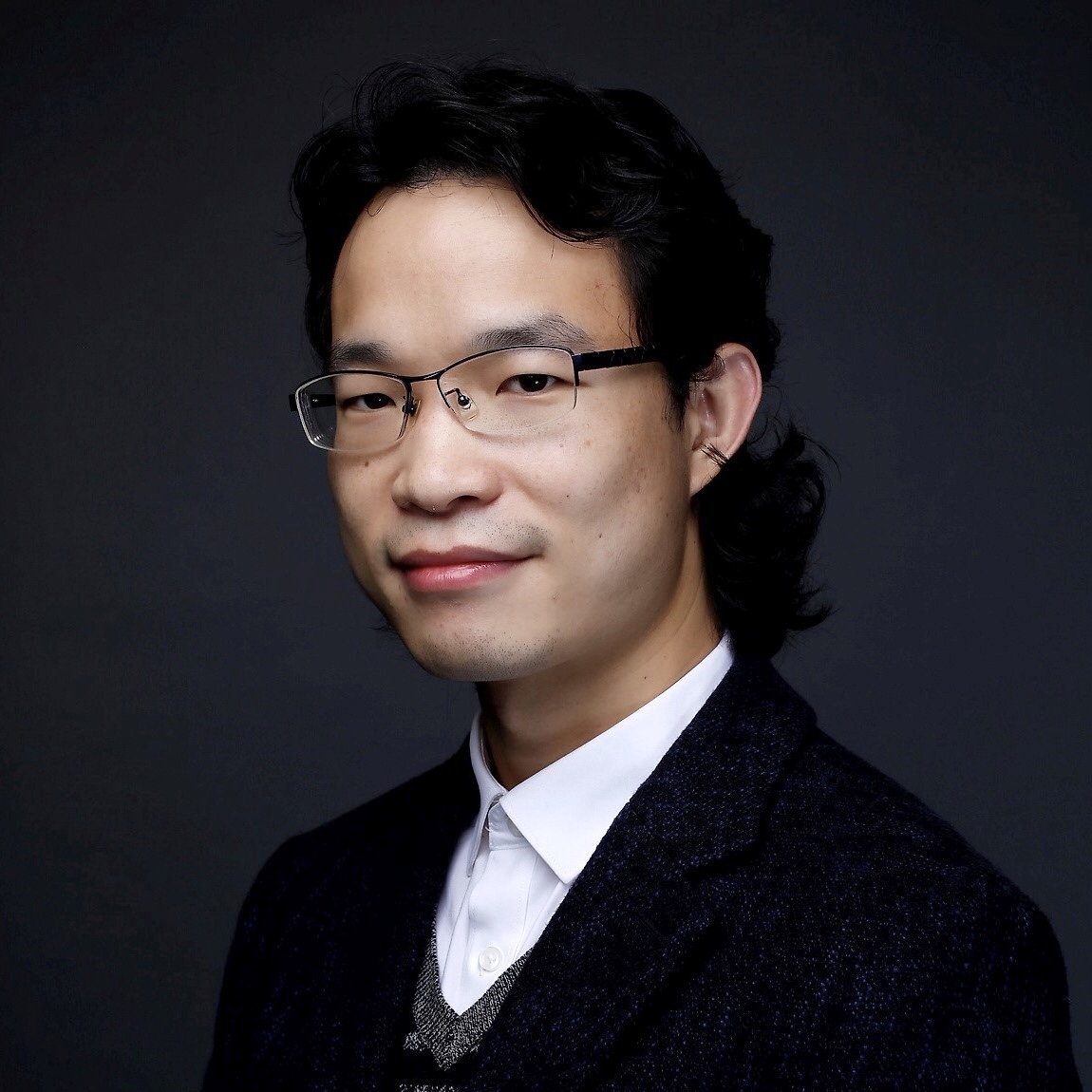
Xu, Xiangxiang
Assistant Professor of Computer Science
- Office Location
- 3003 Wegmans Hall
Interests: Information Theory; Information Processing; Machine Learning Theory; Representation Learning