
Faculty
Skip navigation of people last namesA
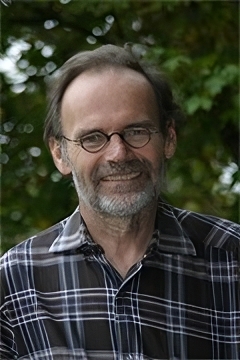
Allen, James F.
Professor Emeritus of Computer Science
- Web Address
- Website
Interests: Natural language understanding; Discourse; Knowledge representation; Common-sense reasoning; Planning
B

Bai, Zhen
Biggar Family Fellow in Data Science, Goergen Institute for Data Science and Artificial Intelligence
Assistant Professor of Computer Science
- Office Location
- 3007 Wegmans Hall
- Telephone
- (585) 275-7758
- Web Address
- Website
Interests: Human-Computer Interaction; Augmented Reality; Tangible User Interfaces; Embodied Conversational Agent; Technology-Enhanced Learning; Computer-Supported Collaborative Work; Assistive Technology; Machine Learning for HCI
C
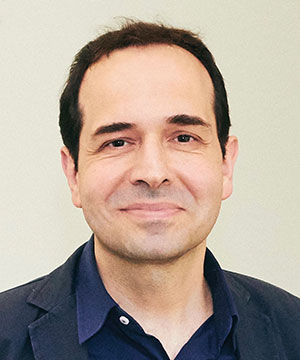
Cetin, Mujdat
Robin and Tim Wentworth Director, Goergen Institute for Data Science and Artificial Intelligence
Professor of Electrical and Computer Engineering
Professor of Computer Science
Director, New York State Center of Excellence in Data Science
- Office Location
- 1211 Wegmans Hall and 719 Computer Studies Building
- Telephone
- (585) 276-5061
Interests: computational sensing and imaging as applied to radar and biomedical imaging; probabilistic methods for image and video analysis as applied to biomedical image analysis, microscopic neuroimaging, and computer vision; signal processing and machine learning for brain-computer/machine interfaces, with applications for alternative communication and rehabilitation for patients and monitoring of cognitive states

Criswell, John
Associate Professor of Computer Science
- Office Location
- 3405 Wegmans Hall
- Telephone
- (585) 275-1118
- Web Address
- Website
Interests: Computer Security; Automatic compiler transformations; Secure Virtual Architecture
D

Dang, Thanh L
Postdoctoral Associate
- Office Location
- 2511 Wegmans Hall
- Web Address
- Website

Dharsee, Komail
Adjunct Instructor of Computer Science
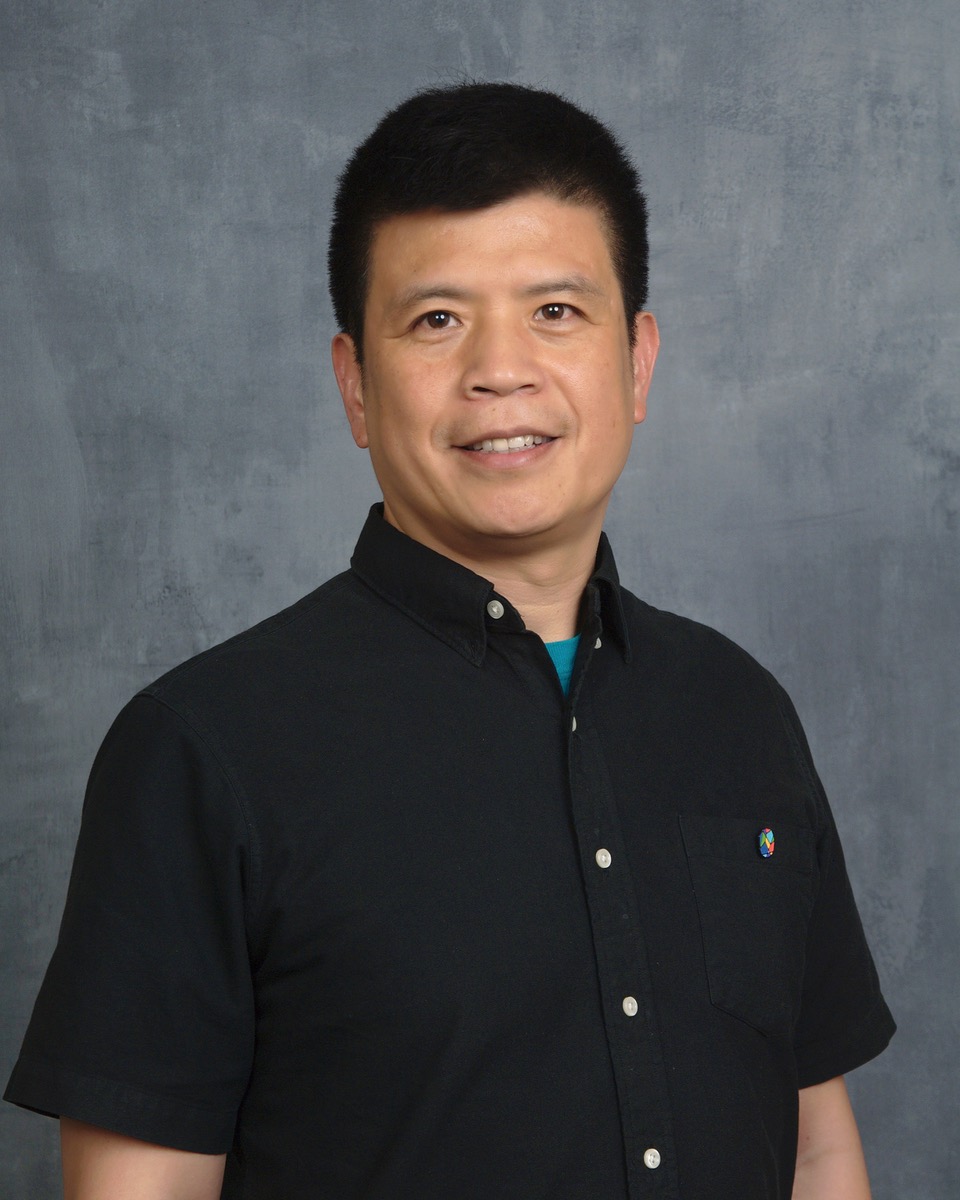
Ding, Chen
Professor of Computer Science
Chair, Department of Computer Science
- Office Location
- 3407 Wegmans Hall
- Telephone
- (585) 275-1373
- Web Address
- Website
Interests: Locality theory and optimization; Compilers and run-time systems to improve locality and parallelism; Memory management; Parallel programming; High-performance computing
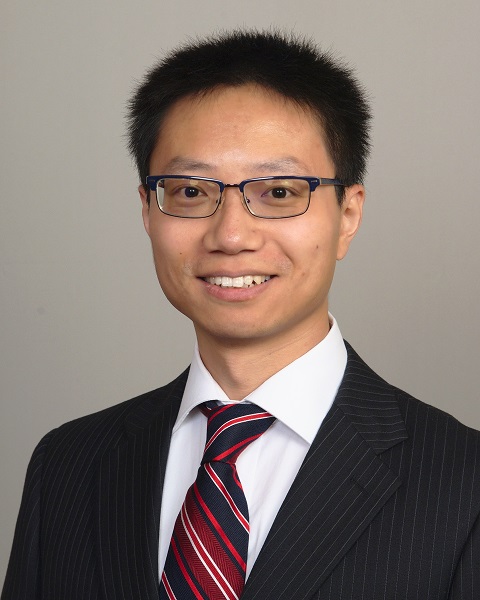
Duan, Zhiyao
Professor of Electrical and Computer Engineering
Professor of Sound Arts and Engineering
Professor of Computer Science
- Office Location
- 720 Computer Studies Building
- Telephone
- (585) 275-5302
- Web Address
- Website
Interests: Computer Audition; Audio Signal Processing; Machine Learning; Music Information Retrieval

Dwarkadas, Sandhya
Visiting Research Professor of Computer Science
- Web Address
- Website
Interests: Parallel and distributed computing; Computer architecture and networks; Interaction and interface between the compiler, runtime system, and underlying architecture; Software distributed shared memory; Integrated compiler and runtime support for parallelism; Simulation methodology; Uniprocessor and multiprocessor architectures; Parallel applications development; Performance evaluation
F

Ferguson, George
Professor of Computer Science (Instruction) Co-Director Computer Science Undergraduate Program
- Office Location
- 2103 Wegmans Hall
- Web Address
- Website
Interests: Artificial intelligence; Intelligent agents; Agent communication languages; Agent architectures; User interfaces: speech recognition, natural language understanding, dialogue, conversational agents; Temporal reasoning: representation, planning, scheduling; Semantic web: ontologies, knowledge-based systems
G
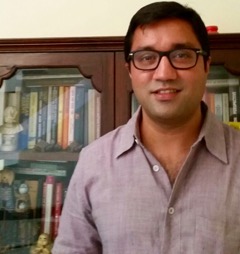
Ghoshal, Gourab
Professor of Physics
Professor of Computer Science
- Office Location
- 464 Bausch & Lomb Hall
- Telephone
- (585) 276-7748
- Web Address
- Website
Interests: Noneqilibrium statistical mechanics, complex systems and network theory

Gildea, Daniel
Professor of Computer Science
- Office Location
- 3019 Wegmans Hall
- Telephone
- (585) 275-7230
- Web Address
- Website
Interests: Machine translation; Semantic parsing; Algorithms for natural language processing
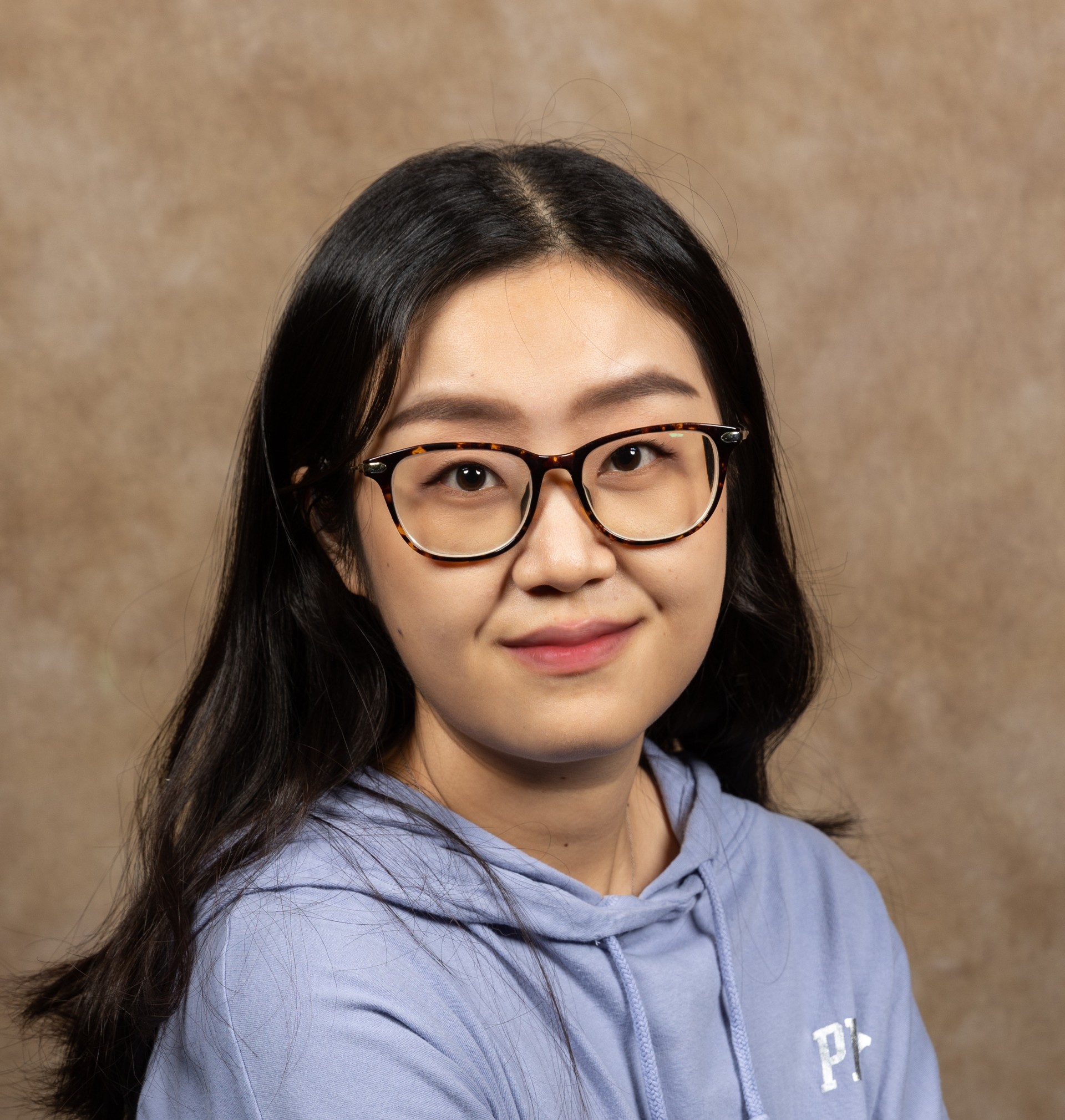
Guo, Yanan
Assistant Professor of Computer Science
- Office Location
- 3403 Wegmans Hall
- Web Address
- Website
Interests: Microarchitectural side channels; Software security; Machine learning security; GPU systems and architectures; Memory systems
H

Haefner, Ralf
Associate Professor of Brain & Cognitive Sciences
Associate Professor of Physics
Associate Professor of Computer Science
- Office Location
- 318 Meliora Hall
- Web Address
- Website
Interests: Computational Neuroscience; Perceptual decision-making; Probabilistic inference; Selective attention; Neural population encoding and decoding; Depth perception/processing of binocular disparity

He, Hangfeng
Assistant Professor of Computer Science and Data Science
- Office Location
- 3009 Wegmans Hall
- Telephone
- (585) 275-8848
- Web Address
- Website
Interests: Machine learning; Natural language processing; Reasoning

Heinzelman, Wendi
Professor of Electrical and Computer Engineering
Professor of Computer Science
Dean, Hajim School of Engineering and Applied Sciences
- Office Location
- 309 Lattimore Hall
- Telephone
- (585) 273-3958
- Web Address
- Website
Interests: Wireless sensor networks; Mobile ad hoc networks; Multimedia communication; Heterogeneous networking; Cloud computing

Hemaspaandra, Lane A.
Professor of Computer Science
- Office Location
- 2317 Wegmans Hall
- Web Address
- Website
Interests: Computational social choice (elections, preference aggregation, power indices, etc.); Computational complexity theory (counting-based computation, probabilistic computation, unambiguous computation, the importance of query order when accessing databases, the study of efficient algorithms for complex sets, complexity-theoretic aspects of security, fault-tolerance, and data compression, etc.)
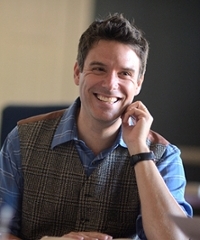
Heyworth, Gregory
Associate Professor of English
Associate Professor of Computer Science
Director, Lazarus Project, Rush Rhees Library, Rm 227
- Office Location
- 514 Morey Hall
- Telephone
- (585) 275-2548
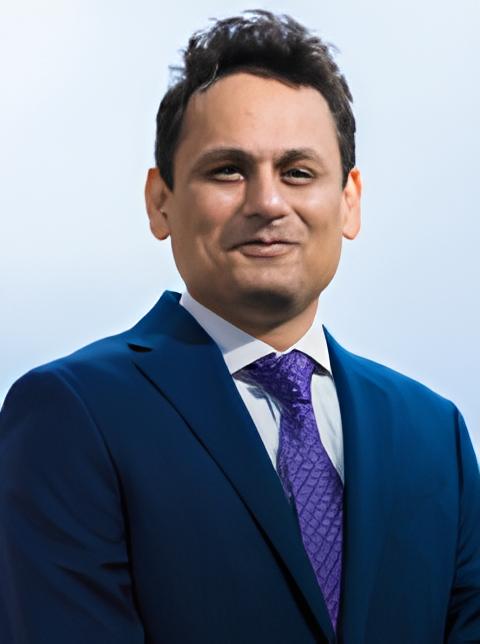
Hoque, Ehsan
Professor of Computer Science
- Office Location
- 3013 Wegmans Hall
- Telephone
- (585) 275-1351
- Web Address
- Website
Interests: Human Computer Interaction; Artificial Intelligence ; Interactive machine learning; Health and wellbeing; Future of skills

Hosseini, Kaave
Assistant Professor of Computer Science
- Office Location
- 2507 Wegmans Hall
- Web Address
- Website
Interests: Theoretical computer science; Additive combinatorics; Pseudorandomness; Discrete Fourier analysis

Howard, Thomas M.
Associate Professor of Electrical and Computer Engineering
Associate Professor of Computer Science
- Office Location
- 732 Computer Studies Building
- Telephone
- (585) 275--375
Interests: Artificial Intelligence; Robotics; Motion Planning; Human-Robot Interaction
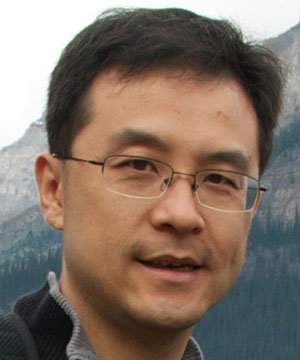
Huang, Michael
Professor of Electrical and Computer Engineering
Professor of Computer Science
- Office Location
- 414 Computer Studies Building
- Telephone
- (585) 275-2111
- Web Address
- Website
Interests: High-performance and energy-efficient computer microarchitecture; non-von Neumann computing; Ising machines
J

Jacobs, Robert A.
Professor, Brain and Cognitive Sciences, Computer Science, and the Center for Visual Science
- Office Location
- 306 Meliora Hall
- Telephone
- (585) 275-0753
- Web Address
- Website
Interests: cognitive and perceptual learning; neural computation
K

Kahng, Anson
Assistant Professor of Computer Science and Data Science
- Office Location
- 2401 Wegmans Hall
- Web Address
- Website
Interests: Human-Computer Interaction; Augmented Reality; Tangible User Interfaces; Embodied Conversational Agent; Technology-Enhanced Learning; Computer-Supported Collaborative Work; Assistive Technology
Interests: Computational social choice; Democracy and computer science; Economics and computation; Artificial intelligence; Theoretical computer science; Algorithmic game theory

Kanan, Christopher
Associate Professor of Computer Science
Associate Director for AI Strategy, Goergen Institute for Data Science and Artificial Intelligence
- Office Location
- 3017 Wegmans Hall
- Web Address
- Website
Interests: Artificial Intelligence; Deep Learning; Computer Vision; Cognitive Science; Applied Machine Learning (e.g. Medical Computer Vision)

Kautz, Henry
Professor Emeritus of Computer Science
- Web Address
- Website
Interests: Artificial intelligence; Pervasive computing; Data science
L

Liang, Jiaming
Assistant Professor of Computer Science and Data Science
- Office Location
- 2403 Wegmans Hall
- Web Address
- Website
Interests: Mathematical and numerical optimization; Sampling algorithms; Stochastic programming; Algorithmic game theory

Loporcaro, Joseph
Associate Professor of Digital Media Studies and Computer Science (Instruction)
- Office Location
- 206B Morey Hall
Interests: Video game design, development, theory, and culture; digital media theory and production; mass media and pop culture; technology/media ethics; design thinking, research writing; social media studies; web design and development

Luo, Jiebo
Albert Arendt Hopeman Professor of Engineering
Professor of Computer Science
- Office Location
- 3101 Wegmans Hall
- Telephone
- (585) 276-5784
- Web Address
- Website
Interests: Computer Vision; Machine learning; Data Mining; Social Media; Biomedical Informatics; Human Computer Interaction; Ubiquitous and Mobile Computing
M
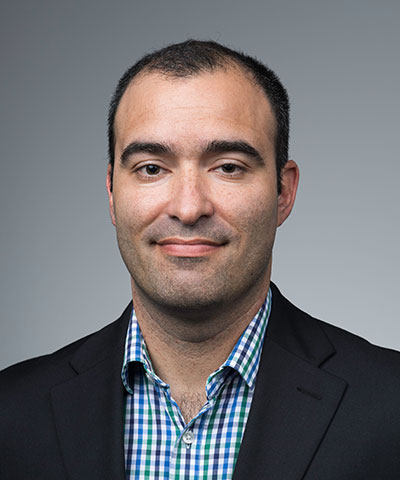
Mateos, Gonzalo
Professor of Electrical and Computer Engineering
Professor of Computer Science
Asaro Biggar Family Fellow in Data Science
- Office Location
- 726 Computer Studies Building
- Telephone
- (585) 275-5930
- Web Address
- Website
Interests: Statistical Signal Processing; Networks; Machine Learning; Decentralized Optimization; Graph Signal Processing
N

Nargesian, Fatemeh
James P. Wilmot Distinguished Assistant Professor in the Department of Computer Science
Assistant Professor of Computer Science
- Office Location
- 3015 Wegmans Hall
- Web Address
- Website
Interests: Data management ; Data science ; Data discovery and integration
P

Pai, Sreepathi
Associate Professor of Computer Science
- Office Location
- 3409 Wegmans Hall
- Telephone
- (585) 276-2391
- Web Address
- Website
Interests: Compilers; Heterogeneous Architectures; GPU algorithms; Performance Modeling

Pawlicki, Thaddeus E.
Associate Professor of Computer Science (Instruction)
- Office Location
- 2101 Wegmans Hall
- Web Address
- Website
Interests: Undergraduate eduction; Robotics; Computer vision; Artificial intelligence

Polak, Monika
Associate Professor of Computer Science (Instruction)
- Office Location
- 2201 Wegmans Hall
- Web Address
- Website
Interests: Cryptography; Quantum-Resistant Cryptography; Algebraic Graph Theory; Extremal Graph Theory; Pseudorandomness; Coding Theory

Purtee, Adam
Associate Professor of Computer Science (Instruction)
- Office Location
- 2109 Wegmans Hall
- Web Address
- Website
Interests: Natural language understanding ; Knowledge representation ; Commonsense reasoning ; Machine Learning ; Numerical programming
R

Read-McFarland, Andrew
Assistant Professor of Computer Science (Instruction)
- Office Location
- 2105 Wegmans Hall
- Web Address
- Website

Roolfs, Arthur
Adjunct Instructor of Computer Science
S

Schubert, Lenhart K.
Professor Emeritus of Computer Science
- Web Address
- Website
Interests: Language and dialogue ; Knowledge representation and inference; Schema learning and schema-based behavior ; Self-motivated agents

Scott, Michael L.
Arthur Gould Yates Professor of Engineering
Emeritus Professor of Computer Science
Former Chair, Department of Computer Science
- Office Location
- 3401 Wegmans Hall
- Web Address
- Website
Interests: Systems software for parallel and distributed computing; Programming languages; Operating systems; Synchronization; Transactional memory; Persistent memory
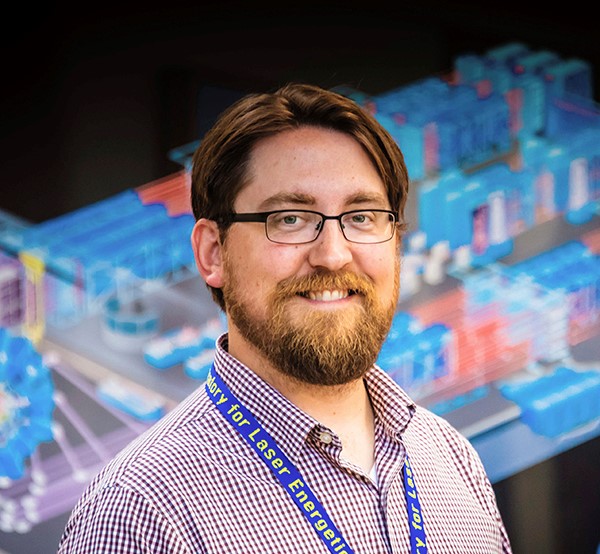
Sefkow, Adam
Assistant Professor, Department of Mechanical Engineering
Assistant Professor, Department of Physics
Assistant Professor, Department of Computer Science
Senior Scientist, Laboratory for Laser Energetics (LLE)
- Office Location
- 205 Hopeman
- Telephone
- (585) 276-4130
- Web Address
- Website
Interests: Inertial confinement fusion; magneto-inertial fusion; high energy density physics; laser-plasma interaction; computational physics; magnetohydrodynamics; particle-in-cell simulations

Seiferas, Joel I.
Professor Emeritus of Computer Science
- Web Address
- Website
Interests: Theoretical computer science; Computational complexity; Algorithms; Automata
Sharma, Gaurav
Professor of Electrical and Computer Engineering
Professor of Computer Science
Professor of Biostatistics and Computational Biology
- Office Location
- 725 Computer Studies Building
- Telephone
- (585) 275-7313
- Web Address
- Website
Interests: Data Analytics; Cyber Physical Systems; Signal and Image Processing; Computer Vision; Media Security; Communications

Stefankovic, Daniel
Professor of Computer Science
- Office Location
- 2315 Wegmans Hall
- Web Address
- Website
Interests: Theoretical computer science: graph theory, combinatorics, Fourier transform, Markov chains/counting, learning theory, phylogeny, game theory, graph equations, routing
W

White, Aaron
Associate Professor of Linguistics
Associate Professor of Computer Science
Director of FACTS.lab
- Office Location
- 511A Lattimore Hall
- Web Address
- Website
Interests: Computational Linguistics; Natural Language Semantics
X

Xu, Chenliang
Associate Professor of Computer Science
- Office Location
- 3005 Wegmans Hall
- Web Address
- Website
Interests: Computer Vision; Multimodal AI; Video Understanding; Vision-Language and Audio-Visual Learning; Trustworthy AI

Xu, Xiangxiang
Assistant Professor of Computer Science
- Office Location
- 3003 Wegmans Hall
Interests: Information Theory; Information Processing; Machine Learning Theory; Representation Learning
Y

Yan, Yukang
Assistant Professor of Computer Science
- Office Location
- 3103 Wegmans Hall
- Web Address
- Website
Interests: Human-Computer Interaction; Human Behavior Modeling; Virtual/Augmented Reality
Z
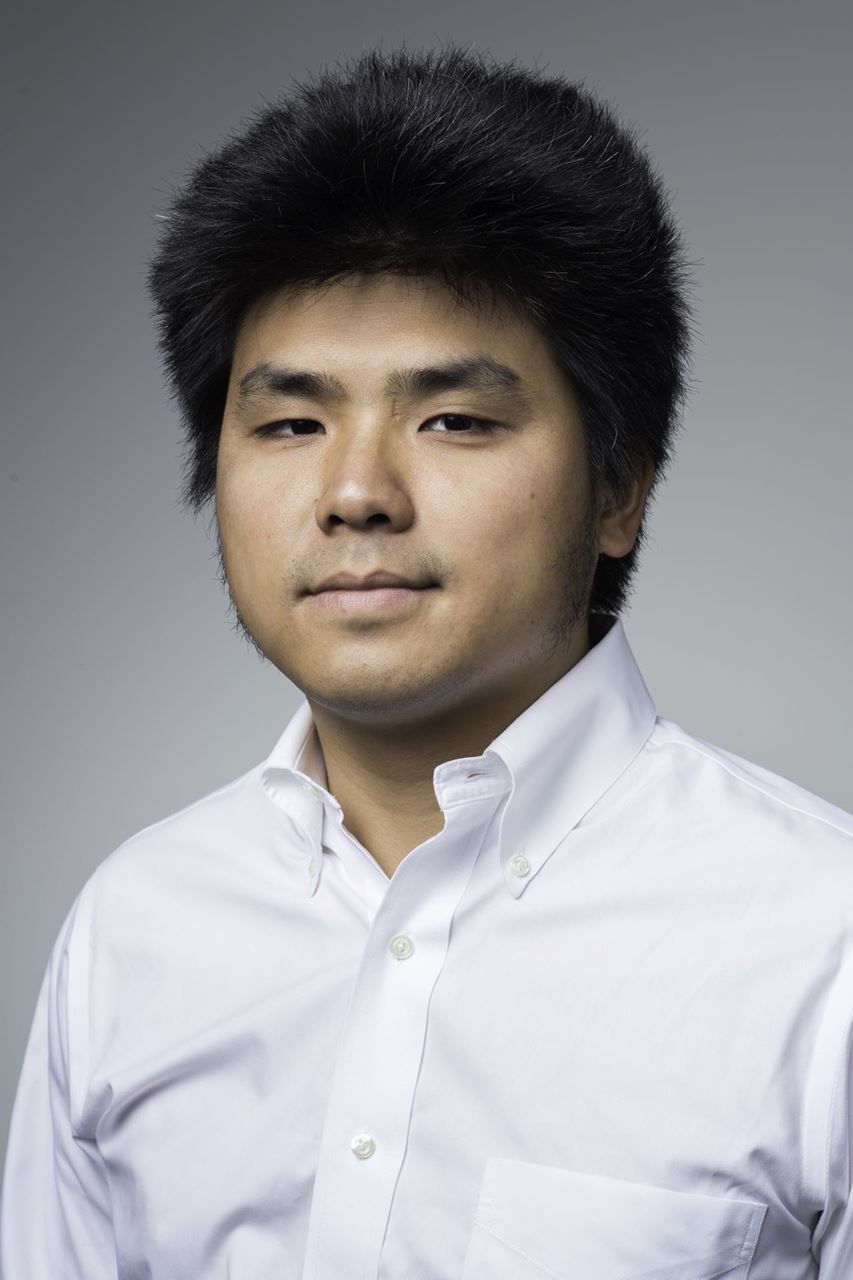
Zhu, Yuhao
Associate Professor of Computer Science
- Office Location
- 3501 Wegmans Hall
- yzhu@rochester.edu
- Web Address
- Website
Interests: Computer Systems and Architecture; Computer Imaging and Graphics; Augmented/Virtual Reality; Human (Visual) Perception and Cognition; Computational Art, Art History, and Aesthetics

Zhupa, Eustrat
Assistant Professor of Computer Science (Instruction)
- Office Location
- 2107 Wegmans Hall
- Telephone
- (585) 275-9499
- Web Address
- Website